
Product Review
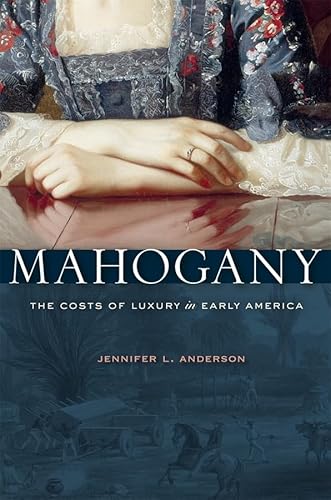
In the mid-eighteenth century, colonial Americans became enamored with the rich colors and silky surface of mahogany. This exotic wood, imported from the West Indies and Central America, quickly displaced local furniture woods as the height of fashion. Over the next century, consumer demand for mahogany set in motion elaborate schemes to secure the trees and transform their rough-hewn logs into exquisite objects. But beneath the polished gleam of this furniture lies a darker, hidden story of human and environmental exploitation.
Mahogany traces the path of this wood through many hands, from source to sale: from the enslaved African woodcutters, including skilled “huntsmen†who located the elusive trees amidst dense rainforest, to the ship captains, merchants, and timber dealers who scrambled after the best logs, to the skilled cabinetmakers who crafted the wood, and with it the tastes and aspirations of their diverse clientele. As the trees became scarce, however, the search for new sources led to expanded slave labor, vicious competition, and intense international conflicts over this diminishing natural resource. When nineteenth-century American furniture makers turned to other materials, surviving mahogany objects were revalued as antiques evocative of the nation's past.
Jennifer Anderson offers a dynamic portrait of the many players, locales, and motivations that drove the voracious quest for mahogany to adorn American parlors and dining rooms. This complex story reveals the cultural, economic, and environmental costs of America’s growing self-confidence and prosperity, and how desire shaped not just people’s lives but the natural world.


