
Product Review
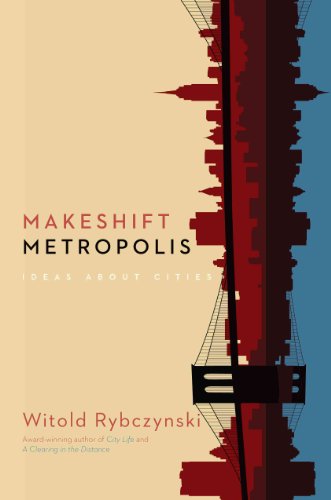
In this new work, prizewinning author, professor, and Slate architecture critic Witold Rybczynski returns to the territory he knows best: writing about the way people live, just as he did in the acclaimed bestsellers Home, A Clearing in the Distance, and Now I Sit Me Down. In Makeshift Metropolis, Rybczynski has drawn upon a lifetime of observing cities to craft a concise and insightful book that is at once an intellectual history and a masterful critique.
Makeshift Metropolis describes how current ideas about urban planning evolved from the movements that defined the twentieth century, such as City Beautiful, the Garden City, and the seminal ideas of Frank Lloyd Wright and Jane Jacobs. If the twentieth century was the age of planning, we now find ourselves in the age of the market, Rybczynski argues, where entrepreneurial developers are shaping the twenty-first-century city with mixed-use developments, downtown living, heterogeneity, density, and liveliness. He introduces readers to projects like Brooklyn Bridge Park, the Yards in Washington, D.C., and, further afield, to the new city of Modi’in, Israel—sites that, in this age of resource scarcity, economic turmoil, and changing human demands, challenge our notion of the city.
Erudite and immensely engaging, Makeshift Metropolis is an affirmation of Rybczynski’s role as one of our most original thinkers on the way we live today.


