
Product Review
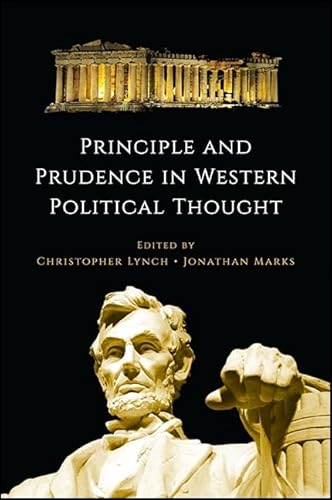
Discussions of the place of moral principle in political practice are haunted by the abstract and misleading distinction between realism and its various principled or "idealist" alternatives. This volume argues that such discussions must be recast in terms of the relationship between principle and prudence: as Nathan Tarcov maintains, that relationship is "not dichotomous but complementary." In a substantive introduction, the editors investigate Leo Strauss's attack on contemporary political thought for its failure to account for both principle and prudence in politics. Leading commentators then reflect on principle and prudence in the writings of great thinkers such as Homer, Machiavelli, and Hegel, and in the thoughts and actions of great statesmen such as Pericles, Jefferson, and Lincoln. In a concluding section, contributors reassess Strauss's own approach to principle and prudence in the history of political philosophy.


