
Product Review
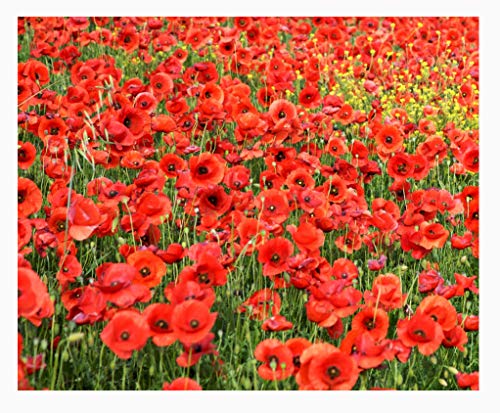
The Story Behind the Remembrance Poppy The spring of 1915 was the first time that warm weather began to warm up the countryside after the cold winter at war in 1914-1915. In the region around Ypres in Belgian Flanders the months of April and May 1915 were unusually warm. Farmers were ploughing their fields close up to the front lines and new life was starting to grow. One of the plants that began to grow in clusters on and around the battle zones was the red field or corn poppy (it's species name is: papaver rhoeas). It is often to be found in or on the edges of fields where grain is grown. The field poppy is an annual plant which flowers each year between about May and August. It's seeds are disseminated on the wind and can lie dormant in the ground for a long time. If the ground is disturbed from the early spring the seeds will germinate and the poppy flowers will grow. This is what happened in parts of the front lines in Belgium and France. Once the ground was disturbed by the fighting, the poppy seeds lying in the ground began to germinate and grow during the warm weather in the spring and summer months of 1915, 1916, 1917 and 1918. The field poppy was also blooming in parts of the Turkish battlefields on the Gallipoli penninsular when the ANZAC and British Forces arrived at the start of the campaign in April 1915.


