
Product Review
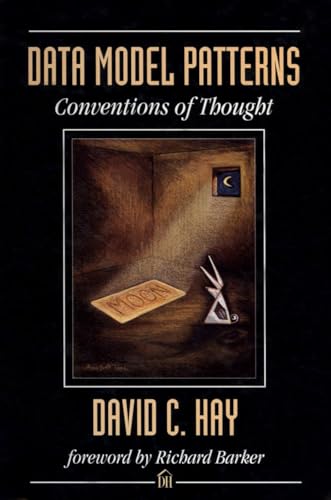
This is the digital version of the printed book (Copyright © 1996).
Learning the basics of a modeling technique is not the same as learning how to use and apply it. To develop a data model of an organization is to gain insights into its nature that do not come easily. Indeed, analysts are often expected to understand subtleties of an organization's structure that may have evaded people who have worked there for years.
Â
Here's help for those analysts who have learned the basics of data modeling (or "entity/relationship modeling") but who need to obtain the insights required to prepare a good model of a real business.
Â
Structures common to many types of business are analyzed in areas such as accounting, material requirements planning, process manufacturing, contracts, laboratories, and documents.
Â
Â
In each chapter, high-level data models are drawn from the following business areas:
Â
- The Enterprise and Its World
- The Things of the Enterprise
- Procedures and Activities
- Contracts
- Accounting
- The Laboratory
- Material Requirements Planning
- Process Manufacturing
- Documents
- Lower-Level Conventions
Â


