
Product Review
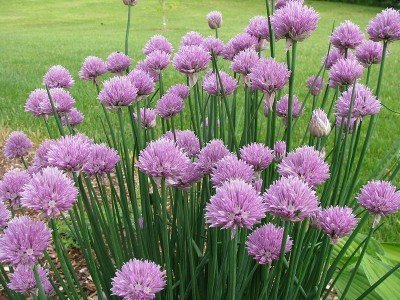
Chives provide: dietary fiber, vitamin A, C, B6, K, folate, iron, thiamin, zinc, niacin, riboflavin, calcium, copper, manganese, potassium, magnesium chives have the same basic health / medicinal properties as garlic, but to a much smaller effect. Most notably, they can help reduce blood pressure. Climate and growing conditions for a healthy crop, try growing chives in full sun (to part sun) locations in your garden. How to grow chives - container gardening chives. Chives will grow well in a pot, as a member of your container garden. When growing chives in a pot, watch to make sure the soil doesn't dry out. Feed your plants with a monthly dose of fertilizer, throughout the growing season. You may wish to consider using "compost tea" or "manure tea" as an organic fertilizer. Be sure to take your chives indoors in the fall, as they're less tolerant of cold temperatures when grown in pots. Also, this way you get to enjoy chives through the winter! Preparing the garden soil garden soil with a ph of between 6.0 to 7.0 is best for growing chives. (information on how to test your garden plot's soil ph level.) Before planting, mix in organic compost to enrich the soil (for in-ground grown plants, no additional fertilizer will be needed for the season). Make sure that the garden plot for your chives is free of weeds, as chives have a difficult time competing with other plants. Wild onion, garlic and similar species prefer partly shady conditions or full sunlight. Allium requires between 2 weeks and a full year to germinate. When starting Allium species off from seed indoors, the seeds should be imbibed in the fridge for four weeks in the dark, then removed to the light and kept at 14 to 16 degrees Celsius in flats for a year. They should be transplanted out individually in pots in the autumn.


