
Product Review
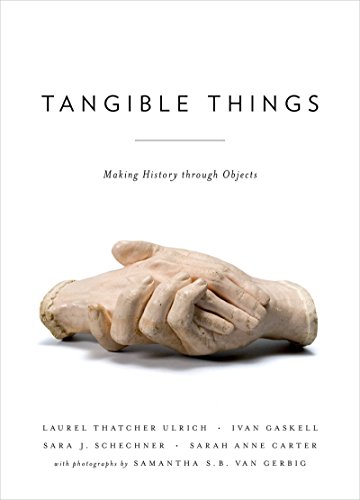
In a world obsessed with the virtual, tangible things are once again making history. Tangible Things invites readers to look closely at the things around them, ordinary things like the food on their plate and extraordinary things like the transit of planets across the sky. It argues that almost any material thing, when examined closely, can be a link between present and past.
The authors of this book pulled an astonishing array of materials out of storage--from a pencil manufactured by Henry David Thoreau to a bracelet made from iridescent beetles--in a wide range of Harvard University collections to mount an innovative exhibition alongside a new general education course. The exhibition challenged the rigid distinctions between history, anthropology, science, and the arts. It showed that object-centered inquiry inevitably leads to a questioning of categories within and beyond history.
Tangible Things is both an introduction to the range and scope of Harvard's remarkable collections and an invitation to reassess collections of all sorts, including those that reside in the bottom drawers or attics of people's houses. It interrogates the nineteenth-century categories that still divide art museums from science museums and historical collections from anthropological displays and that assume history is made only from written documents. Although it builds on a larger discussion among specialists, it makes its arguments through case studies, hoping to simultaneously entertain and inspire. The twenty case studies take us from the Galapagos Islands to India and from a third-century Egyptian papyrus fragment to a board game based on the twentieth-century comic strip "Dagwood and Blondie." A companion website catalogs the more than two hundred objects in the original exhibition and suggests ways in which the principles outlined in the book might change the way people understand the tangible things that surround them.


