
Product Review
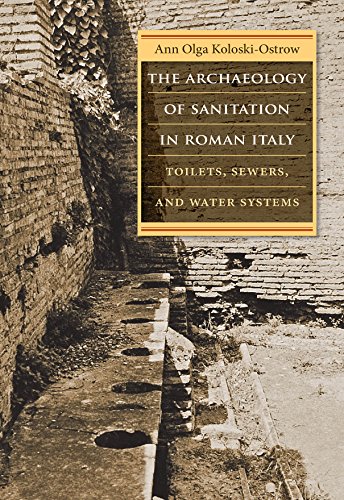
The Romans developed sophisticated methods for managing hygiene, including aqueducts for moving water from one place to another, sewers for removing used water from baths and runoff from walkways and roads, and public and private latrines. Through the archeological record, graffiti, sanitation-related paintings, and literature, Ann Olga Koloski-Ostrow explores this little-known world of bathrooms and sewers, offering unique insights into Roman sanitation, engineering, urban planning and development, hygiene, and public health. Focusing on the cities of Pompeii, Herculaneum, Ostia, and Rome, Koloski-Ostrow's work challenges common perceptions of Romans' social customs, beliefs about health, tolerance for filth in their cities, and attitudes toward privacy. In charting the complex history of sanitary customs from the late republic to the early empire, Koloski-Ostrow reveals the origins of waste removal technologies and their implications for urban health, past and present.


