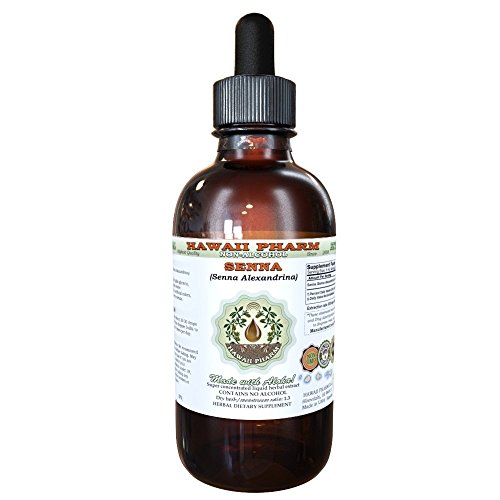

Product Review
Senna grows natively in upper Egypt, especially in the Nubian region, and near Khartoum, where it is cultivated commercially. It is also grown elsewhere, notably in India and Somalia. Senna contains anthraquinones, including dianthrone glycosides (1.5% to 3%), sennosides A and B (rhein dianthrones), and sennosides C and D (rhein aloe-emodin heterodianthrones). Numerous minor sennosides have been identified, and all appear to contribute to the laxative effect. The plant also contains free anthroquinones in small amounts including rhein, aloe-emodin, chrysophanol, and their glycosides. Senna pods also contain the same rhein dianthrone glycosides as the leaves. Carbohydrates in the plant include 2% polysaccharides and approximately 10% mucilage consisting of galactose, arabinose, rhamnose, and galacturonic acid. Other carbohydrates include mannose, fructose, glucose, pinitol, and sucrose. Flavonols present include isorhamnetin and kaempferol. Glycosides 6-hydroxymusizin and tinnevellin are also found. Other constituents in senna include chrysophanic acid, salicylic acid, saponin, resin, mannitol, sodium potassium tartrate, and trace amounts of volatile oil.


