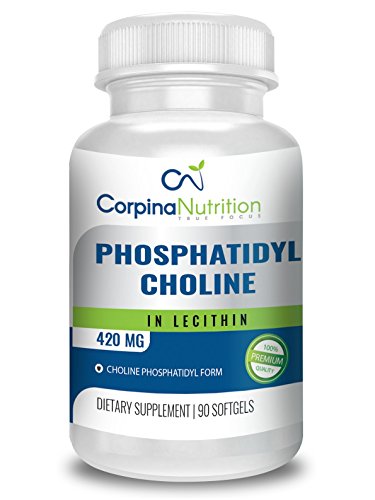

Product Review
Phosphatidylcholine - What It Is and Why It's Important
Phosphatidylcholines (PC) are a class of phospholipids that incorporate choline as a headgroup. They are a major component of cell membranes and can be obtained from a variety of sources, such as egg yolk or soybeans. They are also a member of the lecithin group of fatty substances occurring in animal and plant tissues.
Phosphatidylcholines are such a major component of lecithin that in some contexts the terms are sometimes used as synonyms. However, lecithin extracts consist of a mixture of phosphatidylcholine and other compounds.
Phosphatidylcholine is a major constituent of cell membranes, and is more commonly found in the exoplasmic or outer leaflet of a cell membrane. It is thought to be transported between membranes within the cell by phosphatidylcholine transfer protein (PCTP).
Phosphatidylcholine also plays a role in membrane-mediated cell signaling and PCTP activation of other enzymes.
POSSIBLE HEALTH BENEFITS
Senescence
Phosphatidylcholine is a vital substance found in every cell of the human body. Thus, some researchers have used animal models with severe oxidative damage as a model of "accelerated aging" to investigate the possible role of phosphatidylcholine supplementation as a way of slowing down aging-related processes and improving brain functioning.
Recent studies have examined benefits of phosphatidylcholine. Results are mixed in humans.


