
Product Review
When President Obama signed the affordable health care act in 2009, the Vice President was overheard to utter an enthusiastic "This is a big f****** deal!" A town in Massachusetts levies $20 fines on swearing in public. Nothing is as paradoxical as our attitude toward swearing and "bad language": how can we judge profanity so harshly in principle, yet use it so frequently in practice? Though profanity is more acceptable today than ever, it is still labeled as rude, or at best tolerable only under specific circumstances. Cursing, many argue, signals an absence of character, or poor parenting, and is something to avoid at all costs. Yet plenty of us are unconcerned about the dangers of profanity; bad words are commonly used in mainstream music, Academy Award-winning films, books, and newspapers. And of course, regular people use them in conversation every day.
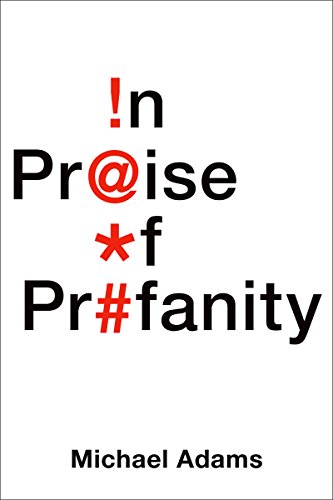
In In Praise of Profanity, Michael Adams offers a provocative, unapologetic defense of profanity, arguing that we've oversimplified profanity by labeling it as taboo. Profanity is valuable, even essential, both as a vehicle of communication and an element of style. As much as we may deplore it in some contexts, we should celebrate it in others. Adams skillfully weaves together linguistic and psychological analyses of why we swear-for emotional release, as a way to promote group solidarity, or to create intimate relationships -- with colorful examples of profanity in literature, TV, film, and music, such as The Sopranos, James Kelman's How Late It Was, How Late, or the songs of Nellie McKay. This breezy, jargon-free book will challenge readers to reconsider the way they think about swearing.


