
Product Review
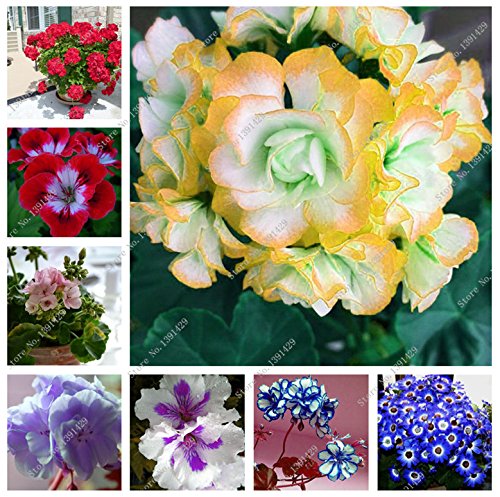
Morphological characteristics Perennial herb, 30-60 cm. Stems erect, woody base, the upper fleshy, much branched or unbranched, with a clear section, densely pubescent, with thick split fish smell Leaves alternate; stipules broadly triangular or ovate, 7-15 mm , pubescent and glandular hairs; petiole 3-10 cm long, are fine fluff and glandular hairs; leaf blade round or kidney-shaped, heart-shaped stem, 3-7 cm in diameter, wavy edge lobed, with rounded teeth both sides are transparent pubescent, margin within the surface dark red horseshoe ring. Umbels axillary, with more flowers, peduncle longer than leaves, pubescent; bracts several, broadly ovate; pedicel 3-4 cm, pubescent and glandular hairs. Drooping bud stage, flowering erect; sepals narrowly lanceolate, 8-10 mm long, outside densely villous and glandular hairs, petals red, orange, pink or white, broadly obovate, 12-15 mm, width 6-8 mm, apex rounded, base shortly clawed, the following three are usually larger; ovary densely pubescent. Capsule about 3 cm, pubescent. Flowering from May to July, fruiting period from June to September. Growth habit geranium likes cool, maintained 10-15 in winter day,Night temperature above 8 , that is the normal flowering. However, the optimum temperature is 15-20 . Geraniums hi dry evil wet, winter watering should not be too much to see see wet dry. The soft wet soil quality stems, flowers unfavorable initiation and open; long too wet will cause leggy plants, flowers on the green parts of the shift, the leaves yellow and fall off gradually. Geranium growing need plenty of sunlight, so you must put it in the winter sunny place. Insufficient light, leggy stems and leaves, stalk soft, poor inflorescence development; bud under low light is often poor flowers, wither in advance. Geraniums do not like big fat, too much fertilizer causes excessive growth of unfavorable flowering geraniums.


