
Product Review
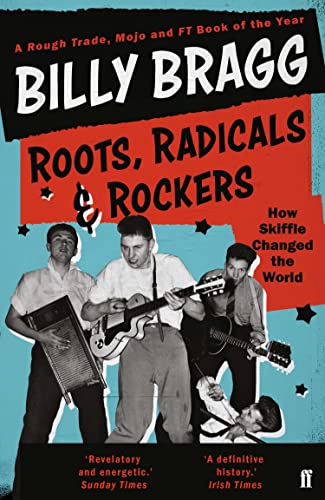
Roots, Radicals & Rockers: How Skiffle Changed the World is the first book to explore this phenomenon in depth - a meticulously researched and joyous account that explains how skiffle sparked a revolution that shaped pop music as we have come to know it.
It's a story of jazz pilgrims and blues blowers, Teddy Boys and beatnik girls, coffee-bar bohemians and refugees from the McCarthyite witch-hunts. Billy traces how the guitar came to the forefront of music in the UK and led directly to the British Invasion of the US charts in the 1960s.
Emerging from the trad-jazz clubs of the early '50s, skiffle was adopted by kids who growing up during the dreary, post-war rationing years. These were Britain's first teenagers, looking for a music of their own in a pop culture dominated by crooners and mediated by a stuffy BBC. Lonnie Donegan hit the charts in 1956 with a version of 'Rock Island Line' and soon sales of guitars rocketed from 5,000 to 250,000 a year.
Like punk rock that would flourish two decades later, skiffle was a do-it-yourself music. All you needed were three guitar chords and you could form a group, with mates playing tea-chest bass and washboard as a rhythm section.


